



; ?>/theme/images/logo.svg)
Introduction
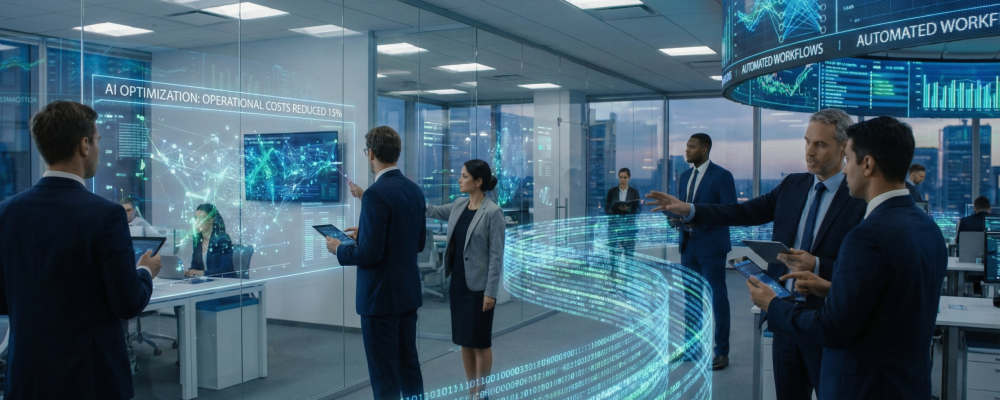
Across industries, businesses are under constant pressure to operate faster, reduce costs, and scale efficiently. Traditional software systems and manual workflows are no longer sufficient to meet these demands. This is where Artificial Intelligence (AI) is redefining how organizations automate operations and optimize resources.
AI-driven automation is no longer experimental. It is now a practical, scalable approach that enables companies to streamline processes, improve accuracy, and unlock significant operational savings.
The Shift From Traditional Automation to Intelligent Automation
Traditional automation relies on predefined rules and rigid workflows. While effective for repetitive tasks, it struggles with complexity, variability, and decision-making.
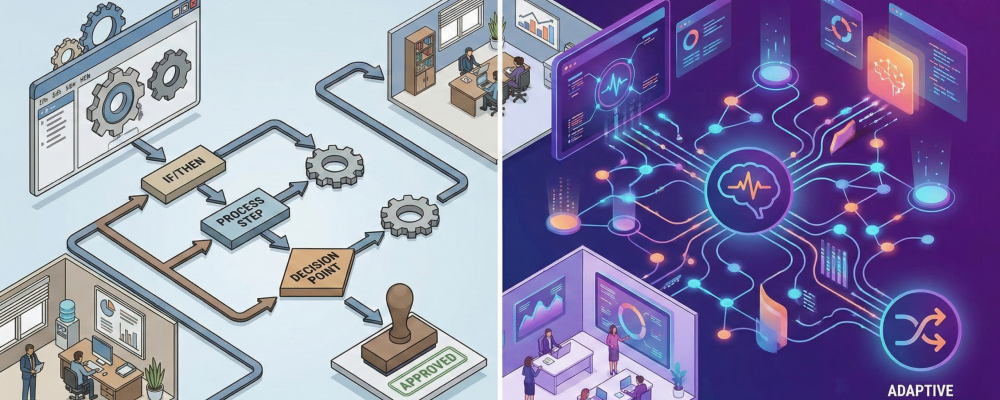
AI-powered automation introduces intelligence into these workflows by enabling systems to:
Learn from historical data
Adapt to changing conditions
Make context-aware decisions
Continuously improve performance
This shift transforms automation from task execution into end-to-end operational optimization.
Key Business Areas Where AI Automation Delivers Impact
1. Operational Workflows and Process Automation
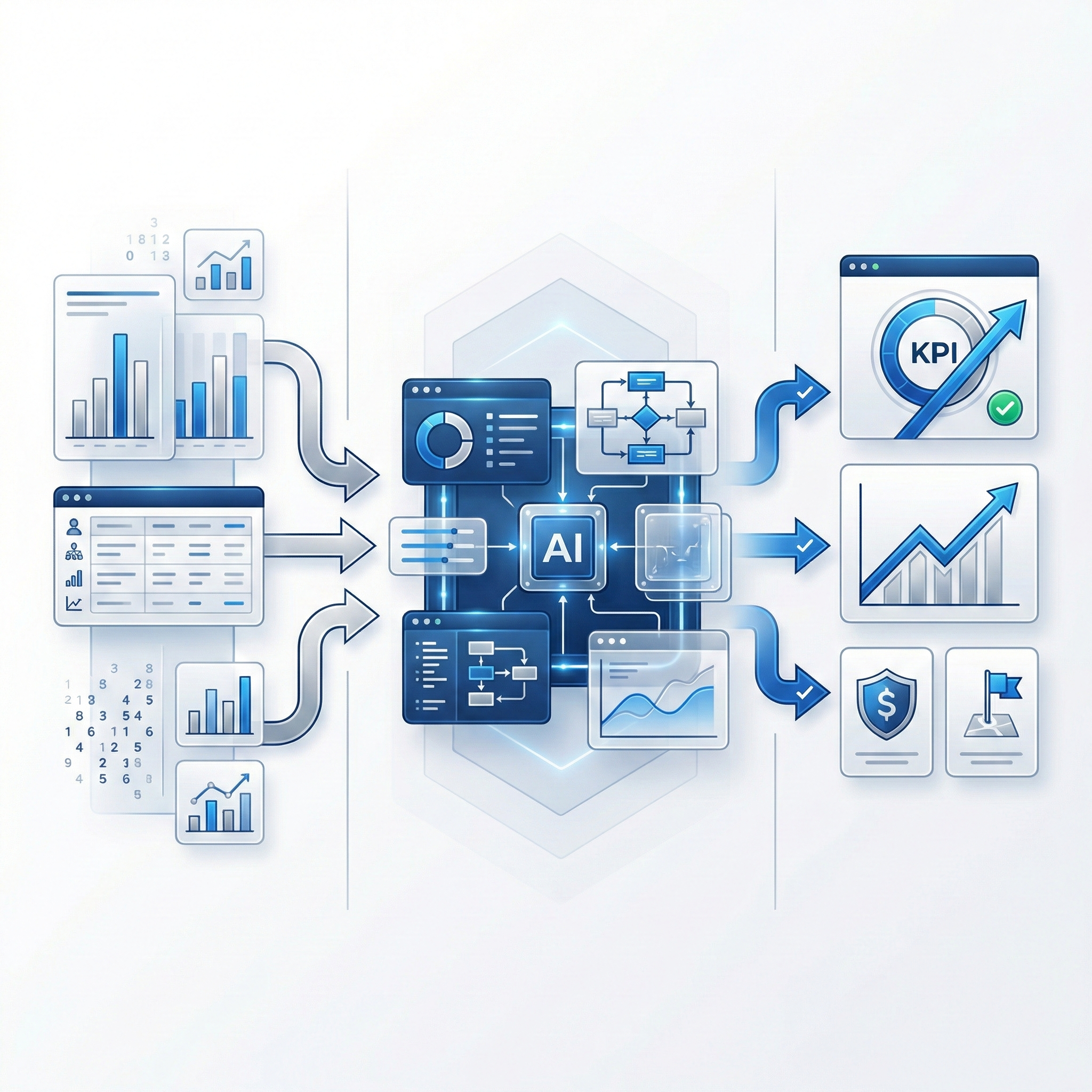
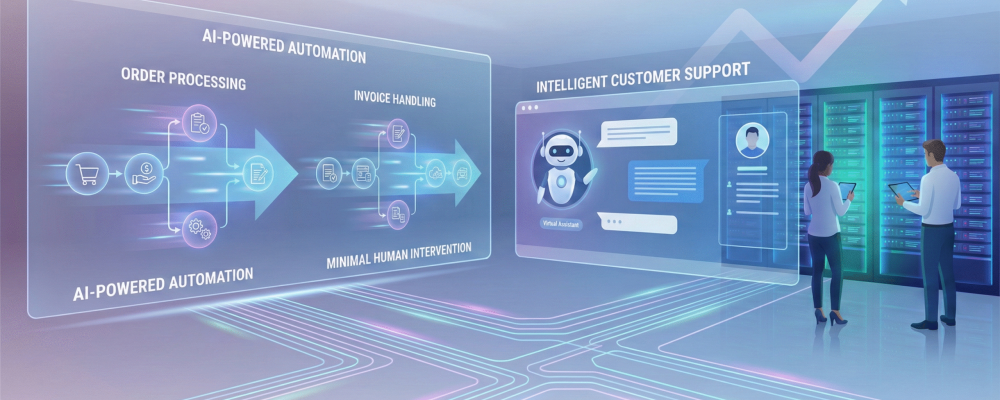
AI systems can automate multi-step business processes such as:
Order processing and validation
Invoice handling and reconciliation
Internal task routing and approvals
By integrating AI into core systems, businesses reduce human intervention, minimize errors, and accelerate turnaround times.
Business value:
Lower operational costs
Faster execution
Improved consistency
2. Customer Support and Service Operations
AI-powered solutions enable companies to automate large portions of customer interactions:
Intelligent chatbots handling first-line support
Automated ticket classification and prioritization
Sentiment analysis to escalate critical issues
Rather than replacing teams, AI allows human agents to focus on high-value and complex cases.
Business value:
24/7 availability
Reduced support workload
Higher customer satisfaction
3. Data Processing and Decision Support
Many organizations struggle with data overload. AI systems can automatically:
Analyze large datasets
Detect patterns and anomalies
Generate actionable insights in real time
This enables faster and more accurate business decisions without relying on manual analysis.
Business value:
Data-driven decision-making
Reduced analysis time
Better forecasting and planning
4. IT Operations and Infrastructure Optimization
AI is increasingly used to automate IT and infrastructure management:
Predictive maintenance for systems and applications
Automated resource allocation in cloud environments
Early detection of performance issues
This ensures systems remain stable, scalable, and cost-efficient.
Business value:
Reduced downtime
Optimized infrastructure costs
Proactive issue resolution
Why Custom AI Solutions Matter
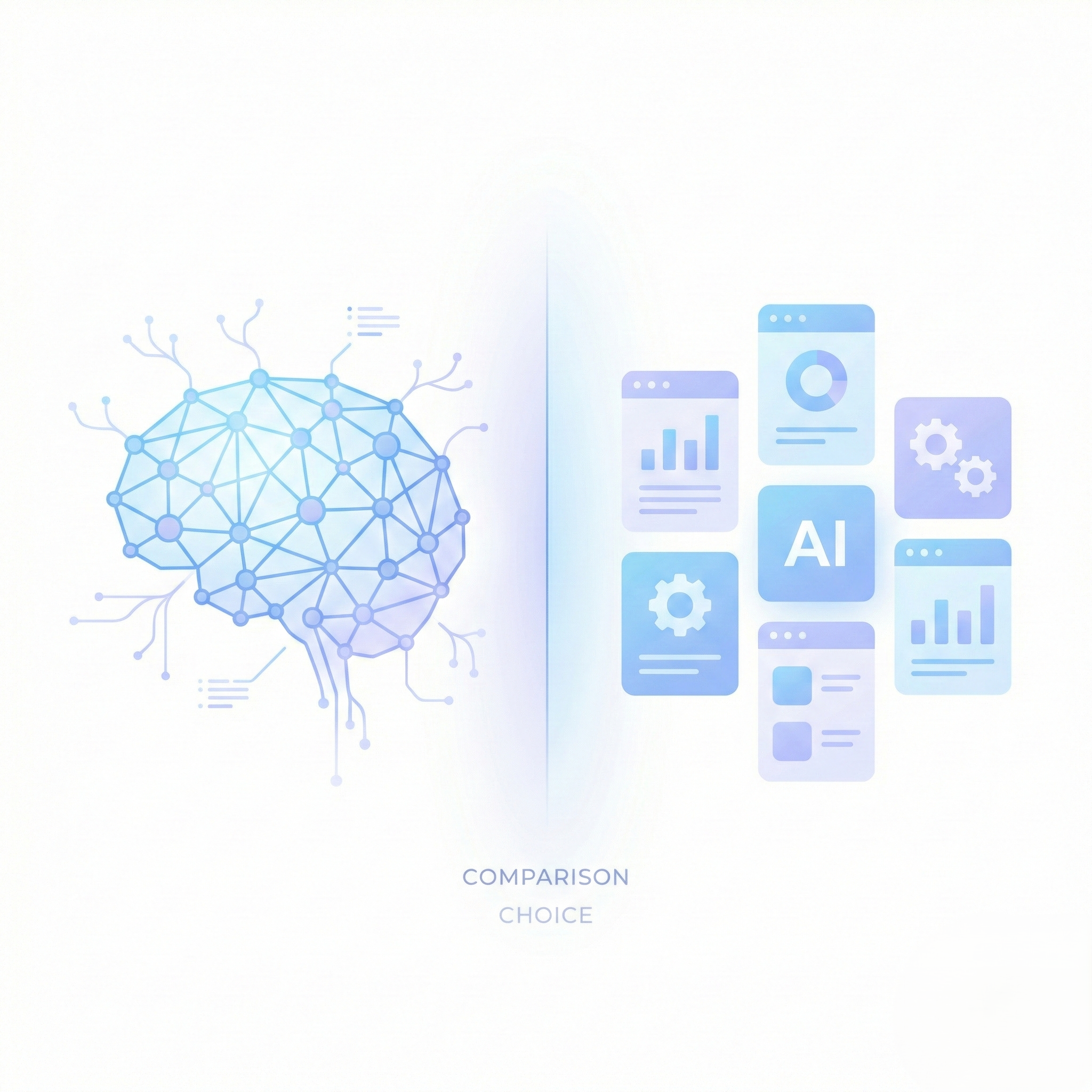
While many off-the-shelf AI tools exist, they often fail to align perfectly with a company’s workflows, data structures, and long-term strategy.
Custom AI-powered software solutions offer:
Seamless integration with existing systems
Models trained on business-specific data
Full control over security, compliance, and scalability
Flexibility to evolve as business needs change
For organizations seeking sustainable automation, AI must be embedded into the software architecture—not added as a generic layer.
Building AI Automation That Delivers Real ROI
Successful AI automation requires more than adopting new tools. It demands:
Clear business objectives
Well-designed data pipelines
Secure and scalable software architecture
Continuous monitoring and optimization
When implemented correctly, AI automation becomes a long-term competitive advantage rather than a short-term experiment.

Conclusion
AI-powered automation is fundamentally changing how businesses operate. From streamlining workflows and optimizing infrastructure to improving decision-making, AI enables organizations to do more with fewer resources—without sacrificing quality or control.
For companies looking to scale efficiently and future-proof their operations, investing in intelligent, custom-built AI solutions is no longer optional—it is strategic.